

In 2026, the question of "access" to mental health care is no longer just about the existence of providers; it is about the affordability and availability of those providers. This study examines the intersection of insurance parity, telehealth utilization, and real-world appointment wait times across Minnesota and Georgia.
The Telehealth Revolution: 2026 Trends
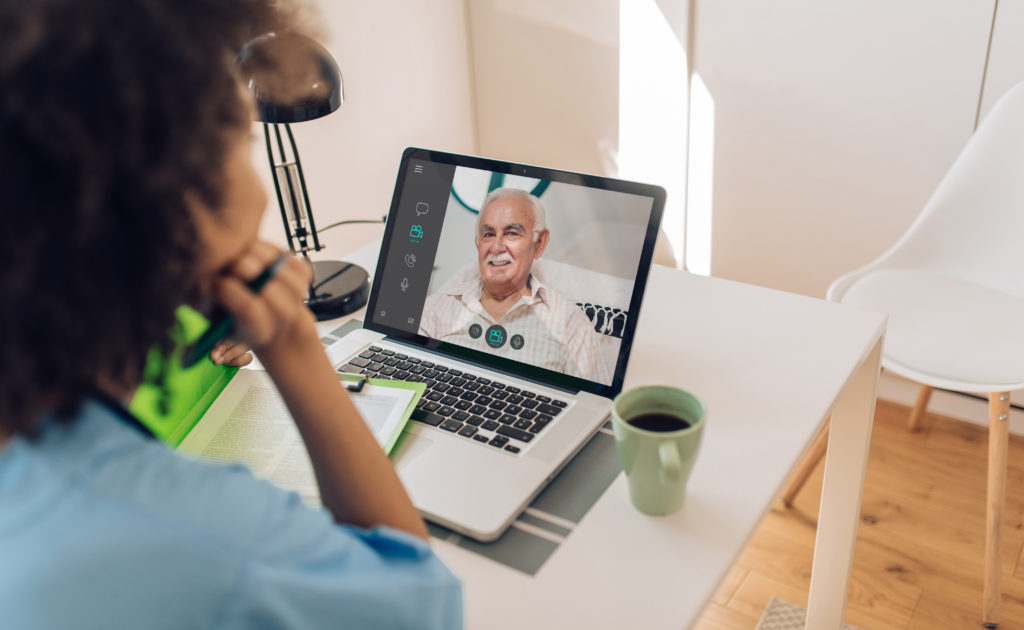
Telehealth has moved from a pandemic-era necessity to the "new norm" in behavioral health. Recent analysis shows that behavioral health services consistently dominate telehealth visits, averaging 35 services per 1,000 members [3].
"Telemental health adoption has shown a 1.04x increase in overall visit rates, particularly among Medicaid-insured populations, effectively reducing the historical barriers of transportation and time." [4]
Insurance Parity and Acceptance
Despite federal parity laws, the "ghost network" phenomenon—where providers listed by insurance companies are not actually accepting new patients—continues to plague the industry. Radiant Recovery & Counseling addresses this by maintaining high transparency in our insurance acceptance.
Insurance Type
Radiant Acceptance (MN & GA)
Impact on Access
Medicaid/MA
Accepted
Vital for low-income and rural populations.
Medicare
Accepted
Critical for the aging population and dual-eligible clients.
Commercial (Aetna, BCBS, etc.)
Accepted
Ensures broad access for the workforce.
Appointment Availability: The 48-Hour Standard
Wait times for mental health appointments in the U.S. often exceed 4-6 weeks. Radiant Recovery & Counseling is setting a new industry standard by prioritizing flexible scheduling and immediate openings. By leveraging a large, multi-disciplinary team, we aim to offer intake appointments within 48-72 hours of initial contact.
The Role of Specialized Providers
Specialization improves access by ensuring clients find the right fit faster, reducing the "trial and error" phase of therapy.
ADHD & Neurodivergence: Specialized support from Charity Ntor-Ue and Ceria Hamlin.
Addiction & Dual Diagnosis: Expert care from Laura Carlisle.
Multicultural Care: Specialized services from Aida Ibrahim and Neha Kurpad.
Final Findings
The integration of broad insurance acceptance and statewide telehealth is the most effective strategy for improving mental health outcomes in 2026. As demand continues to rise, the ability to provide immediate, affordable care remains the primary benchmark for success in the mental health sector.
References
[1] NAMI Georgia, "Mental Health Statistics in Georgia," May 2025. [2] HRSA, "Designated Health Professional Shortage Areas Statistics," July 2026. [3] CIVHC, "Telehealth Analysis: Sustained Demand for Behavioral Health," February 2025. [4] PubMed, "Effect of telemental health adoption on mental health visit rates," 2026.