The Quiet Strength Myth: What “Be Strong” Actually Costs BIPOC Families
You have heard it your whole life, in different words but the same message: be strong. Hold it together. Don't let them see you sweat. For generations, BIPOC families have passed down strength as both an inheritance and an armor, a survival strategy forged in circumstances that offered no other choice. But somewhere between generations, strength stopped being a tool you could set down and became an identity you were never allowed to remove. This is the Quiet Strength myth, and it is quietly costing people their health, their relationships, and their capacity to actually heal.
Where the Myth Comes From
The expectation of unshakeable strength did not appear by accident. It was built, often out of necessity, in response to environments that offered little room for vulnerability. Enslaved ancestors could not afford visible fragility. Immigrant grandparents building a life from nothing could not afford to fall apart in front of children who needed them steady. First-generation professionals navigating rooms that were not built for them learned that composure was armor against being dismissed. Strength was never the problem. The problem is what happens when strength becomes the only acceptable emotional state, generation after generation, with no space left for what is actually being carried underneath it.
What the Research Actually Shows
Public health researchers have a name for the specific toll this takes: John Henryism, a term coined by epidemiologist Sherman James to describe the pattern of high-effort coping in the face of chronic stress, particularly among Black Americans navigating systemic barriers. The research consistently links this pattern of prolonged, high-effort resilience to real physiological costs, including elevated rates of hypertension and cardiovascular strain. Strength, in other words, is not free. The body keeps a ledger, even when the mind insists everything is fine.
What Quiet Strength Looks Like Up Close
The myth does not always look dramatic. It often looks like:
• Being the one everyone leans on, with no one asking who you lean on in return
• Physical symptoms, headaches, tension, exhaustion, that never quite resolve because rest feels unearned
• Difficulty naming your own needs out loud, even to people who would genuinely want to help
• A reflexive "I'm fine" that arrives before you've actually checked in with yourself
• Pride in never needing help, even when the cost of that pride is isolation
From Survival to Thriving
The work of unlearning this pattern is not about becoming weak. It is about recognizing that strength built entirely around suppression eventually runs out, and that real resilience includes the capacity to be honest about what hurts. At Radiant Recovery and Counseling, our BIPOC therapists work within a racial trauma framework, which means you will not need to defend or explain why this pressure feels so heavy before the actual healing work can begin. Therapy here is not about dismantling your strength. It is about giving you somewhere to finally set it down, even briefly, and discover what is underneath it.
Why This Work Matters Specifically in Minneapolis and Atlanta
In Minneapolis, the Quiet Strength myth has carried an especially heavy load in recent years. This city has been at the center of national conversations about racial violence and police conduct, and the psychological toll on Black residents in particular, grief, hypervigilance, anger, avoidance, is real, documented, and clinical, not simply an emotional reaction to be managed privately. In Atlanta, that weight carries its own history: a city shaped by its central role in the Civil Rights Movement, by documented racial inequalities, and by community losses that have accumulated across generations, often faster than clinical systems have been equipped to recognize or respond to. In both cities, the expectation to stay composed through all of it has asked more of people than any single person should be expected to carry alone.
Visual & Formatting Notes (for design team)
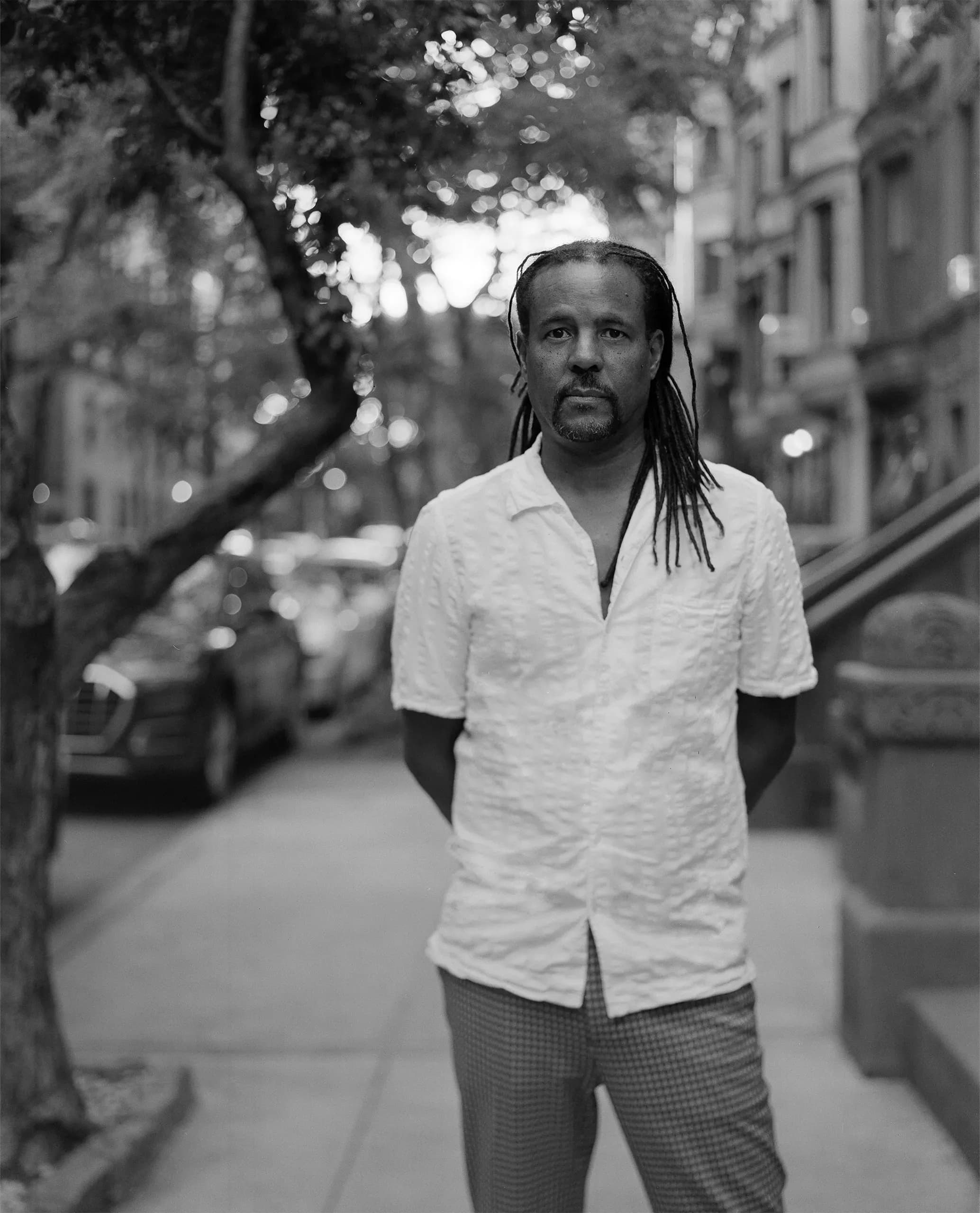
High-contrast photography throughout. Bold, serif pull-quotes at each major transition point, particularly around the John Henryism research callout and the closing paragraph. Visual arc should move from tighter, shadowed framing early in the piece toward more open, breathing space by the final section, mirroring the survival-to-thriving narrative.
Frequently Asked Questions
Isn't strength a good thing? Why treat it like a problem?
Strength itself is not the problem. The Quiet Strength myth becomes harmful when strength is the only emotion allowed to be visible, leaving no space for grief, fear, or need without those feelings being treated as failure.
Is John Henryism a real medical diagnosis?
No. John Henryism is a research concept from public health and epidemiology describing a coping pattern, not a clinical diagnosis. It is used to help explain documented health disparities linked to chronic high-effort coping under sustained stress.
Will therapy make me less resilient?
No. Therapy does not remove your capacity for resilience. It builds a more sustainable version of it, one that includes rest and honesty rather than constant suppression.
Related Reading
• Grief Doesn't Move in a Straight Line, and That's Not a Failure
• Collectivist Self-Care: Why Your Healing Strengthens Everyone Around You
You do not have to keep proving your strength to deserve support. Radiant Recovery and Counseling offers BIPOC-affirming, culturally responsive therapy across Minnesota and Georgia, with clinicians trained in racial trauma who will never ask you to explain or defend your experience.
Minnesota: 612-429-1662 | Georgia: 470-250-1300 | info@rrcs.cc | https://www.radiantrecoveryandcounseling.com/book
Explore all of our Specialized and Cultural Care services: https://www.radiantrecoveryandcounseling.com/mental-health-services/specialized-cultural-care