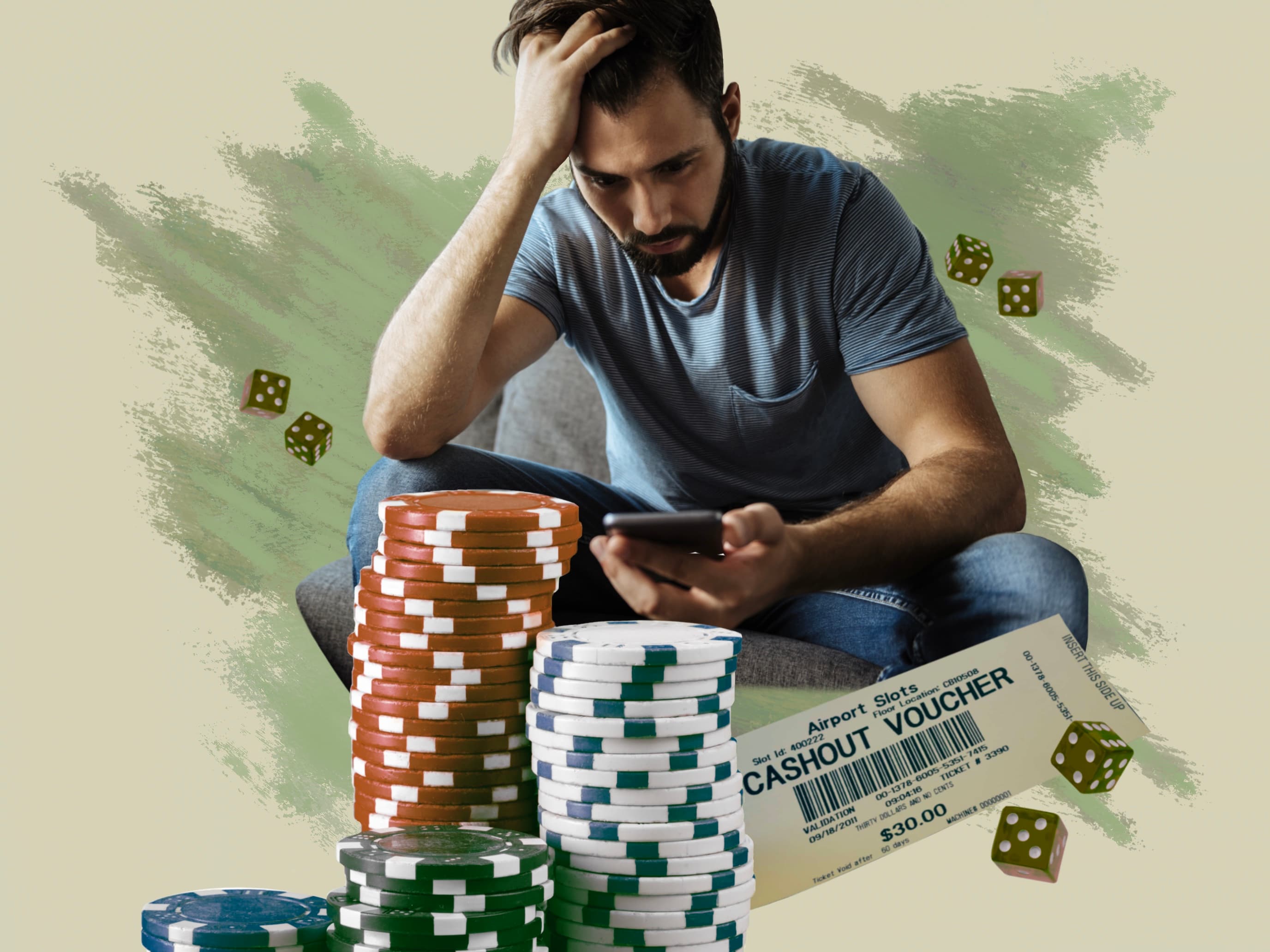
Gambling becomes a problem when it starts costing more than money: sleep, honesty, peace of mind, time with people you love. If you have begun to wonder about your own gambling, this guide covers signs worth noticing, free help available to anyone in Minnesota, and what counseling involves.
Why it can be hard to see
Gambling leaves no smell on your breath and no obvious trace. A phone makes it possible to place a bet anywhere, at any hour, with nobody the wiser. Many people keep working and keep up appearances long after gambling has started to feel out of their hands.
That privacy is also what makes it lonely. Shame tends to grow in secret, and shame makes it harder to ask for help.
Signs worth noticing
These are patterns to reflect on, not a diagnosis.
Gambling with more money, or for longer, than you meant to
Returning to win back what you lost
Hiding how much you gamble, or lying about it
Feeling restless or irritable when you try to cut back
Gambling to escape stress, boredom or low mood
Borrowing, selling things or missing bills to keep going
Strain at home or at work because of gambling
Radiant's clinicians often see cravings tied to stress, conflict or isolation, and cycles of shame that make it hard to follow through on a decision to stop. If that sounds familiar, you are describing something common and workable.
Free, confidential help in Minnesota
Minnesota's Department of Human Services supports a statewide problem gambling helpline. You can call 1-800-333-HOPE (4673) for free, confidential information and referral to services in your area. The state's site, GetGamblingHelp.com, describes the line as toll-free and available 24 hours a day, and explains text and chat options.
The helpline is for family members and partners too, and calling does not enroll you in anything. The state also keeps a list of approved gambling treatment providers; the helpline can tell you what is available near you.
What counseling for gambling involves
Counseling is not about being told to stop. At Radiant, approaches for gambling concerns include:
Motivational Interviewing, to explore your own reasons for change without pressure
Relapse-prevention planning, to identify triggers and decide in advance how you will respond
CBT-informed tools, to work with the thoughts and urges that drive a bet
Sessions can also address what sits underneath, such as stress, loneliness, anxiety or depression. Practical steps, like limiting access to money or using the self-exclusion and blocking tools that many gambling apps and venues offer, are often part of the plan. If money worries are a large part of the strain, our post on money-related stress may also help.
If someone you love is gambling
Partners and family members often carry the financial and emotional weight. Radiant has a separate guide for you: gambling addiction support for partners and family.
If you are in crisis
Gambling losses can bring on intense despair. If you are thinking about suicide, call or text 988 now. If you are in immediate danger, call 911.
Talking with Radiant
Radiant Recovery and Counseling Services offers counseling for gambling concerns by telehealth across Minnesota and at its Minneapolis office. You can start with questions and decide from there. If you have not been to therapy before, here is what happens in a first session.
Call (612) 429-1662 or request an appointment online. Radiant provides outpatient care and is not a crisis service.
This article is general information, not medical or financial advice.