When Mental Health and Addiction Overlap: Understanding Co-Occurring Disorders
Mental health challenges and substance use do not always happen separately. For some individuals, anxiety, depression, post-traumatic stress disorder (PTSD), or other mental health conditions occur alongside problematic alcohol or drug use. When a person experiences both a mental health disorder and a substance use disorder, the combination is known as co-occurring disorders, sometimes referred to as dual diagnosis.
These conditions can influence one another in ways that make recovery more complicated. Someone experiencing depression may begin drinking to manage difficult emotions. Another person may notice increasing anxiety, sleep disturbances, or mood changes as substance use becomes more frequent. In other situations, unresolved trauma or prolonged stress may contribute to both mental health difficulties and substance use.
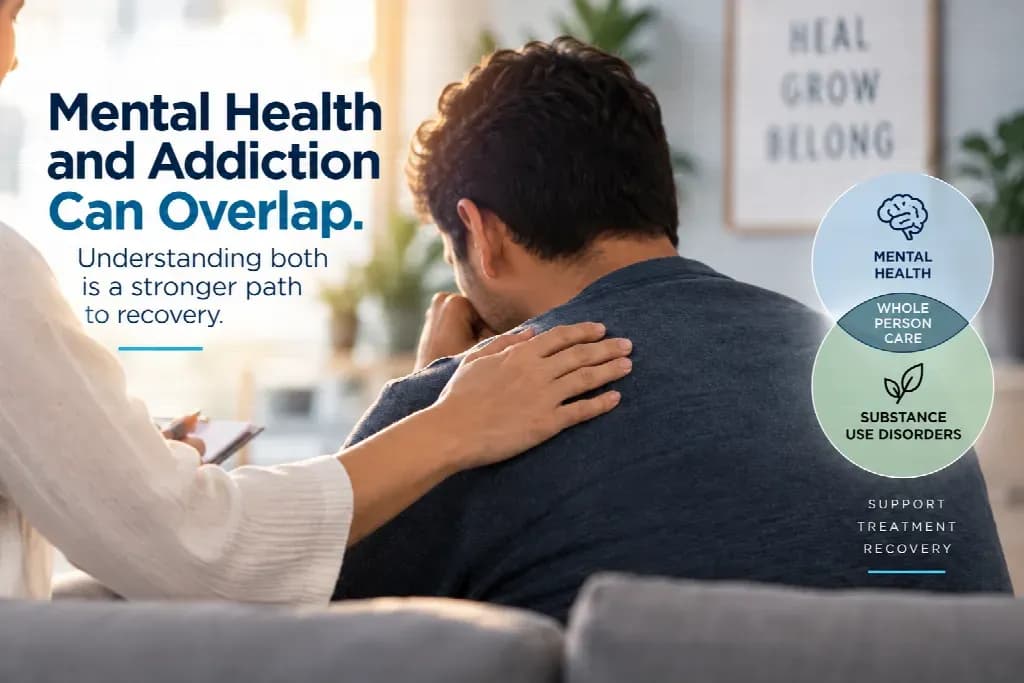
Understanding the connection between mental health and addiction is an important step toward finding appropriate support. Rather than treating each concern as an isolated problem, integrated behavioral healthcare considers how emotional well-being, substance use, personal history, and everyday circumstances interact.
For individuals navigating these challenges, recognizing the signs of co-occurring disorders can help them make informed decisions about treatment and recovery.
What Are Co-Occurring Disorders?
Co-occurring disorders describe the presence of at least one mental health disorder and one substance use disorder in the same individual.
For example, someone may experience:
Depression alongside alcohol use disorder.
Anxiety alongside problematic cannabis or prescription drug use.
Post-traumatic stress disorder (PTSD) alongside opioid or alcohol misuse.
Bipolar disorder alongside stimulant or alcohol use disorder.
Attention-deficit/hyperactivity disorder (ADHD) alongside substance use challenges.
The term dual diagnosis is also commonly used to describe this combination.
According to the Substance Abuse and Mental Health Services Administration (SAMHSA), approximately 21.2 million adults in the United States experienced both a mental illness and a substance use disorder in 2024. This illustrates why recognizing and addressing both concerns is an important part of behavioral healthcare.
It is also important to understand that experiencing mental health symptoms while using substances does not automatically mean someone has two diagnosed disorders. A qualified healthcare professional must consider symptoms, substance use history, medical factors, and other circumstances before making a diagnosis.
Why Do Mental Health Problems and Substance Use Disorders Occur Together?
There is no single explanation for why mental health conditions and addiction frequently overlap. Research suggests that several biological, psychological, and environmental factors may contribute to both.
1. Using substances to cope with emotional distress
One possible connection involves self-medication.
People experiencing anxiety, depression, trauma-related symptoms, or emotional distress may turn to alcohol or drugs in an attempt to manage uncomfortable feelings.
For example, someone dealing with persistent anxiety might drink alcohol because it initially makes them feel more relaxed. Another person experiencing emotional pain following a traumatic event may use substances to temporarily escape distressing memories.
Although these substances may provide temporary relief, they do not resolve the underlying emotional difficulties. Over time, repeated use can create additional problems, including dependence, withdrawal symptoms, disrupted sleep, and increased psychological distress.
What begins as an attempt to cope can gradually become another challenge requiring professional attention.
2. Substance use can contribute to mental health symptoms
The relationship also works in the opposite direction.
Alcohol and other substances can affect brain functioning, sleep patterns, emotional regulation, and decision-making. Depending on the substance, frequency of use, and individual circumstances, these changes may contribute to or worsen mental health symptoms.
For example:
Heavy alcohol use can contribute to anxiety, depressed mood, and sleep disruption.
Stimulant use may increase restlessness, agitation, paranoia, or other psychological symptoms.
Cannabis use may affect anxiety and mood differently depending on the individual and pattern of use.
Substance withdrawal can produce symptoms that resemble or intensify existing mental health difficulties.
This makes professional assessment particularly important. Some symptoms may be related to substance effects, while others may reflect an underlying mental health condition.
3. Shared experiences such as trauma and chronic stress
Mental health disorders and substance use disorders can also develop from overlapping risk factors.
Experiences such as childhood adversity, abuse, neglect, discrimination, chronic stress, family instability, and significant loss may affect emotional well-being and increase vulnerability to unhealthy coping patterns.
A person who has experienced trauma may struggle with intrusive memories, emotional distress, hypervigilance, or difficulty feeling safe. Without appropriate support, some individuals may turn to alcohol or drugs in an attempt to manage these experiences. Trauma therapy and recovery services can provide trauma-informed support for people exploring the effects of past experiences on their well-being.
Genetic vulnerabilities, environmental circumstances, and differences in brain functioning may also contribute to the development of both conditions.
Importantly, experiencing trauma does not mean someone will develop an addiction or mental health disorder. People's experiences and responses vary considerably.
Recognizing the Signs of Co-Occurring Disorders
Recognizing co-occurring disorders can be difficult because mental health symptoms and substance-related symptoms sometimes overlap.
Some individuals may also become accustomed to hiding their substance use because of shame, fear of judgment, or concerns about how others might react.
However, certain patterns may indicate that professional support could be helpful.
Emotional and psychological changes
These may include:
Persistent sadness, hopelessness, or loss of interest in activities.
Increased anxiety, panic, or difficulty managing everyday stress.
Mood changes, irritability, or emotional instability.
Difficulty concentrating or making decisions.
Sleep disturbances or recurring nightmares.
Unresolved traumatic experiences or intrusive memories.
Changes in substance use patterns
Other possible concerns include:
Increasing alcohol or drug consumption over time.
Using substances to manage sadness, anxiety, stress, or emotional pain.
Experiencing cravings or difficulty controlling substance use.
Continuing to use substances despite negative consequences.
Returning to substance use after attempts to reduce or stop.
Spending increasing amounts of time obtaining, using, or recovering from substances.
Changes in everyday functioning
Co-occurring difficulties can also affect relationships, work, education, finances, and physical well-being.
Someone may withdraw from friends and family, struggle to meet personal responsibilities, experience repeated relationship conflict, or find it increasingly difficult to maintain daily routines.
These signs do not independently establish a diagnosis. However, when several concerns occur together, a mental health and substance use assessment may help clarify what is happening and what support could be appropriate.
Why Treating Mental Health and Addiction Together Matters
One of the biggest challenges in treating co-occurring disorders is addressing one condition while overlooking the other.
For example, someone receiving support for alcohol misuse may continue experiencing untreated depression or trauma-related symptoms. Without addressing those difficulties, the emotional factors contributing to substance use may remain unresolved.
Similarly, treating anxiety or depression without considering ongoing substance use may make it harder to understand symptoms, evaluate treatment progress, and develop an effective recovery plan.
This is why integrated treatment for co-occurring disorders is important.
Integrated care considers both mental health and substance use needs as part of a coordinated treatment approach. Rather than viewing them as unrelated problems, clinicians consider how each condition may affect the other.
SAMHSA identifies integrated screening and treatment as important components of care for people living with co-occurring disorders.
What Does Integrated Treatment Involve?
Treatment should be individualized because no two people have exactly the same experiences, symptoms, or recovery goals.
Depending on a person's needs, an integrated treatment plan may involve several components.
1. Comprehensive mental health and substance use assessment
A qualified professional reviews mental health symptoms, substance use patterns, personal history, physical health considerations, and current challenges.
This helps determine whether symptoms may be related to a mental health condition, substance use, withdrawal, or a combination of factors.
2. Individual therapy and emotional support
Psychotherapy can help individuals understand emotional triggers, explore unhelpful patterns, develop healthier coping strategies, and address difficulties affecting their well-being.
Approaches may include cognitive behavioral therapy (CBT), dialectical behavior therapy (DBT), supportive therapy, and other appropriate evidence-informed interventions.
3. Substance use counseling and relapse prevention
Addiction counseling can help individuals recognize situations associated with substance use, understand behavioral patterns, and develop practical strategies for maintaining recovery.
Relapse prevention planning may include identifying triggers, strengthening coping skills, establishing supportive routines, and developing a plan for responding to setbacks.
4. Psychiatric evaluation and medication management when appropriate
Some individuals may benefit from medication as part of their mental health treatment. A qualified prescribing professional can evaluate symptoms, review medical history, consider potential medication interactions, and determine whether medication is appropriate.
Medication decisions should account for substance use history and safety considerations. Some medication combinations can carry serious risks.
5. Coordinated and ongoing support
Recovery may involve more than one healthcare professional or service. Coordination between therapists, addiction counselors, psychiatric providers, and other relevant professionals can help ensure that treatment addresses the person's broader needs.
The goal is to build a treatment plan that supports emotional well-being, reduces the impact of substance use, and helps individuals work toward meaningful and sustainable change.
The Role of Therapy in Long-Term Recovery
Recovery involves more than simply reducing or stopping substance use. For many individuals, it also means understanding the emotional, psychological, and environmental factors that contributed to their difficulties.
Therapy can provide a structured environment to explore these experiences without judgment.
Through individual counseling, people may learn to:
Recognize emotional and environmental triggers.
Develop healthier ways of responding to stress.
Improve emotional regulation and distress tolerance.
Address anxiety, depression, and unresolved trauma.
Strengthen communication and relationship skills.
Develop healthier daily routines.
Build confidence in maintaining recovery goals.
For individuals with a history of trauma, trauma-informed care can also help address experiences that continue to affect emotional well-being.
Progress may take time, and setbacks do not mean that recovery is impossible. Treatment plans can be adjusted as circumstances, symptoms, and individual needs change.
The focus should remain on understanding the whole person rather than defining someone by a diagnosis or history of substance use.
How Radiant Recovery & Counseling Services Supports Mental Health and Substance Use Care
At Radiant Recovery & Counseling Services, we recognize that mental health and substance use concerns can overlap and may require a thoughtful, individualized approach.
Our services include mental health therapy, substance use counseling, and psychiatric medication management. Depending on individual needs, appropriate services can be considered as part of a broader treatment plan.
Our [Substance Use Disorder counseling and recovery support](https://www.radiantrecoveryandcounseling.com/specialties/substance-use) focuses on helping individuals identify triggers, understand patterns connected to substance use, develop healthier responses, and work toward relapse prevention.
Radiant also provides [adult and individual therapy](https://www.radiantrecoveryandcounseling.com/mental-health-services/emotional-wellness) for people experiencing anxiety, depression, emotional distress, and other mental health challenges.
For individuals whose experiences involve unresolved trauma, our [Trauma Therapy and Recovery services](https://www.radiantrecoveryandcounseling.com/mental-health-services/trauma-therapy) offer trauma-informed support that prioritizes safety, empowerment, and individualized care.
When clinically appropriate, [psychiatric and medication management services](https://www.radiantrecoveryandcounseling.com/mental-health-services/psychiatric-medication-management) can also be considered alongside therapy.
Radiant serves individuals in Minnesota and Georgia, including those seeking telehealth services across both states.
Our clinical team includes professionals with experience in mental health and substance use treatment. Amber Michalski, MA, LPCC, LADC, brings more than 25 years of experience in human services, including 14 years specializing in co-occurring substance use and mental health treatment.
As a dual-licensed professional and Board-Approved LPCC Supervisor, Amber brings valuable experience in integrated behavioral healthcare and clinical leadership.
[Learn more about Amber Michalski and her professional background](https://www.radiantrecoveryandcounseling.com/therapists/amber-michalski).
If you or someone you care about is experiencing mental health challenges alongside substance use, seeking professional guidance can help clarify the available treatment options.
[Book an appointment with Radiant Recovery & Counseling Services](https://www.radiantrecoveryandcounseling.com/book) to explore the support that may be appropriate for your needs.
Frequently Asked Questions About Co-Occurring Disorders
1. What is the difference between co-occurring disorders and dual diagnosis?
Both terms generally describe a situation in which someone experiences a mental health disorder and a substance use disorder at the same time. Dual diagnosis is another commonly used term for co-occurring mental health and substance use conditions.
2. Can depression or anxiety lead to addiction?
Depression and anxiety may increase someone's vulnerability to problematic substance use, particularly when alcohol or drugs are used to manage emotional distress. However, not everyone experiencing depression or anxiety develops a substance use disorder. Other factors, including genetics, trauma, environment, and personal circumstances, can also influence risk.
3. Can substance use cause mental health problems?
Substance use can contribute to or worsen certain mental health symptoms. Depending on the substance and circumstances, individuals may experience increased anxiety, mood changes, sleep disturbances, paranoia, or other psychological difficulties. A professional assessment can help determine the relationship between symptoms and substance use.
4. Why is integrated treatment important for co-occurring disorders?
Integrated treatment addresses mental health and substance use concerns together rather than treating them as completely separate issues. This allows clinicians to consider how the conditions interact and develop a more coordinated treatment plan that reflects the individual's needs.
5. Can someone receive therapy while recovering from addiction?
Yes. Therapy can be an important part of addiction recovery. It may help individuals understand triggers, address underlying emotional difficulties, strengthen coping strategies, and develop healthier behavioral patterns. The appropriate type and timing of therapy depend on the individual's circumstances and clinical needs.
6. Where can I find help for co-occurring disorders in Minnesota or Georgia?
Individuals seeking mental health and substance use support can explore behavioral healthcare providers offering appropriate services in their state. Radiant Recovery & Counseling Services provides mental health and substance use-related services in Minnesota and Georgia, with telehealth availability across both states. Contact the team to discuss available services and clinician fit.
Take the Next Step Toward Integrated Care
Mental health challenges and substance use can affect one another in complex ways, but experiencing both does not mean that recovery is out of reach.
Understanding the connection between these conditions is an important first step. With appropriate assessment, individualized therapy, substance use counseling, and coordinated support, individuals can work toward improved emotional well-being and healthier patterns of living.
You do not have to navigate these challenges without support.
Radiant Recovery & Counseling Services is here to help you explore your options and take the next step toward healing.
Book an appointment to get started.
Educational disclaimer: This article is for informational purposes only and does not replace professional diagnosis, treatment, or medical advice. If you or someone else is in immediate danger or experiencing a mental health or substance-related emergency, call 911. For suicide or mental health crisis support in the United States, call or text 988.