Reviewed by Laura Carlisle, LADC
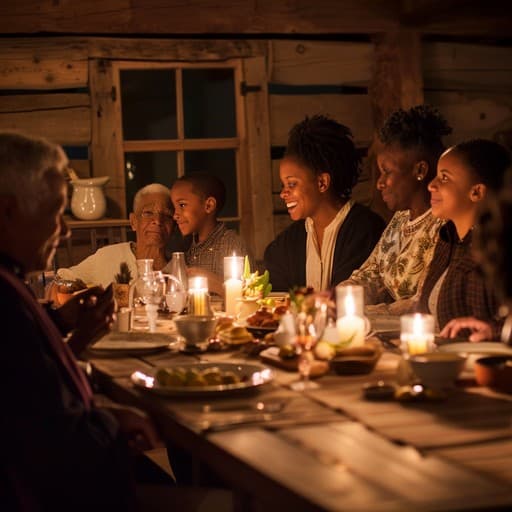
The holidays are supposed to feel warm and connected. For someone in recovery from alcohol or drug use, they can also pack more pressure into a few weeks than the rest of the year: open bars at work parties, old family tensions, broken routines, grief, travel and the expectation to look happy.
If you love someone in recovery, you may be wondering how to help without hovering. This guide covers how to plan ahead, how to host, what to say and how to look after yourself this season.
If someone is in immediate danger or thinking about suicide, call or text 988, or call 911. Radiant Recovery & Counseling is an outpatient practice, not a crisis service.
Why the holidays can be harder in recovery
Every recovery is different, and some people find the season meaningful and steadying. Still, a few pressures come up again and again:
Alcohol is everywhere. Toasts, office parties and "just one won't hurt" comments can make saying no feel like a public decision.
Old family roles come back. Being around relatives can stir up the same conflicts, guilt or expectations that were part of the past.
Routines get disrupted. Travel and packed calendars can push aside sleep, meals, support meetings and counseling sessions, the things that usually keep recovery steady.
Grief and loneliness feel louder. Empty chairs, strained relationships and short, dark winter days can weigh on anyone, and more so in early recovery.
Money and travel stress add up. Gifts, hosting and time away from home all raise the pressure.
None of this means your loved one will struggle. It simply means a bit of planning can make the season easier.
Start with a conversation, not a plan made for them
The most helpful thing you can do is ask. Your loved one knows best what feels hard right now. A short, private conversation before the holidays shows respect and gives them some control.
You might ask:
"What parts of the holidays feel hardest for you this year?"
"Would it help if we had some good alcohol-free drinks?"
"Do you want a quiet signal for when you need to step out?"
"Is there anyone you'd rather not be seated next to?"
"Would you like to keep your recovery private from the rest of the family?"
Then follow their lead. Recovery is their story to share, or not share. Not everyone at the table needs to know.
Plan gatherings with recovery in mind
Small changes can take a lot of pressure off:
Make alcohol-free drinks feel like a real option. Offer more than water: sparkling cider, mocktails, a hot cocoa or tea station.
Build traditions that aren't centered on drinking. A walk after the meal, a game, cooking together, volunteering or a movie night gives everyone something to do.
Plan an easy exit. A quiet room, permission to leave early and their own transportation help them leave when they need to, without explaining.
Protect their support routine. Schedule around their meetings, counseling sessions or check-ins rather than asking them to skip one.
Going to someone else's home? Offer to bring their preferred drink, arrive together, and agree on a leave time in advance.
If you're not sure whether to serve alcohol at all, ask. Some people in recovery prefer an alcohol-free gathering; others are comfortable as long as nobody makes a fuss.
What to say, and what to skip
Ordinary warmth goes a long way. Try:
"I'm really glad you're here."
"Want to take a walk with me?"
"I'm proud of you" (privately, if they're comfortable with it).
Try to avoid:
Asking "Are you sure you can't have just one?" or pushing a drink.
Watching their glass or checking on them in front of others.
Bringing up past behavior, especially in front of relatives.
Treating them as fragile. They are still the same person you love.
The words you use matter too. "Person in recovery" or "person with a substance use disorder" is more respectful than labels like "addict" or "alcoholic," which can add shame.
If you're worried about a return to use
You may notice changes that worry you, such as pulling away, missing usual supports, or shifts in sleep or mood. These can have many causes, so try not to jump to conclusions.
Choose a calm, private moment. A holiday event is rarely the right time. Talk later, one to one.
Lead with care and specifics. "I noticed you left early and seemed down. I care about you. How are you doing?" works better than an accusation.
Remember that a setback is not the end of recovery. Encourage them to reconnect with their counselor, sponsor or support group.
Put safety first. If someone is unresponsive, cannot be woken or you think they may have overdosed, call 911 right away.
For more on this, read When a Loved One Uses Substances: Support Without Control. If you're unsure whether your own or someone else's drinking has become a concern, Am I Drinking Too Much? A Judgment-Free Look at Gray-Area Drinking may help.
Take care of yourself, too
Supporting someone in recovery can be tiring, especially during an already full season. You are not responsible for anyone else's recovery, but you are responsible for your own wellbeing.
Set and keep boundaries. Decide ahead of time what you will and won't take part in. Our guide to setting boundaries with family can help you find the words.
Find support for yourself. Al-Anon Family Groups meet for anyone affected by someone else's drinking, and many meetings run online or by phone. Nar-Anon Family Groups support family and friends of people living with addiction.
Know where to get information. SAMHSA's National Helpline, 1-800-662-HELP (4357), is a free, confidential, 24/7 referral and information service for individuals and families facing mental health or substance use concerns.
Make room for your own stress. If the season itself feels heavy, our article on managing holiday stress has practical ideas.
How counseling can help families this season
You don't have to sort this out alone, and you don't have to wait for a crisis. Counseling can give families a calmer way to talk, set boundaries and support recovery without taking it over.
At Radiant Recovery & Counseling, our substance use counseling in Minnesota is provided by licensed alcohol and drug counselors (LADCs), in person in Minneapolis and by telehealth statewide. We also offer family therapy, including family counseling in Minneapolis, and individual therapy for family members who need support of their own.
Ready to talk? Book an appointment, or call our Minnesota office at (612) 429-1662 or our Georgia office at (470) 250-1300.
Radiant Recovery & Counseling is an outpatient practice, not a crisis service. If you or someone you love is in immediate danger, call or text 988, or call 911.
Frequently asked questions
Should we serve alcohol at a holiday gathering if a family member is in recovery?
Ask them first. Some people in recovery prefer an alcohol-free event. Others are comfortable around alcohol as long as there are good alternatives and no one pressures them. Whatever you decide, make alcohol-free drinks easy to find and appealing.
Do I need to tell other relatives that my loved one is in recovery?
No. Recovery is a personal health matter, and it is their story to share. If relatives ask why someone isn't drinking, a simple "they're not drinking tonight" is enough. Check with your loved one about how they'd like to handle questions.
What should I do if my loved one drinks or uses at a holiday event?
Stay calm and put safety first. Make sure they don't drive, and call 911 if anyone seems unresponsive or in danger. Save the bigger conversation for a calm, private moment later. A setback doesn't erase the progress they've made, and reconnecting with their counselor or support group can help.
Can family members get counseling even if their loved one isn't in treatment?
Yes. Family members often benefit from support of their own, whether individual therapy, family therapy or a peer group such as Al-Anon or Nar-Anon. You can book an appointment with Radiant Recovery & Counseling for yourself, even if your loved one isn't ready.