First Responder Stress in St Cloud: Understanding Occupational Trauma
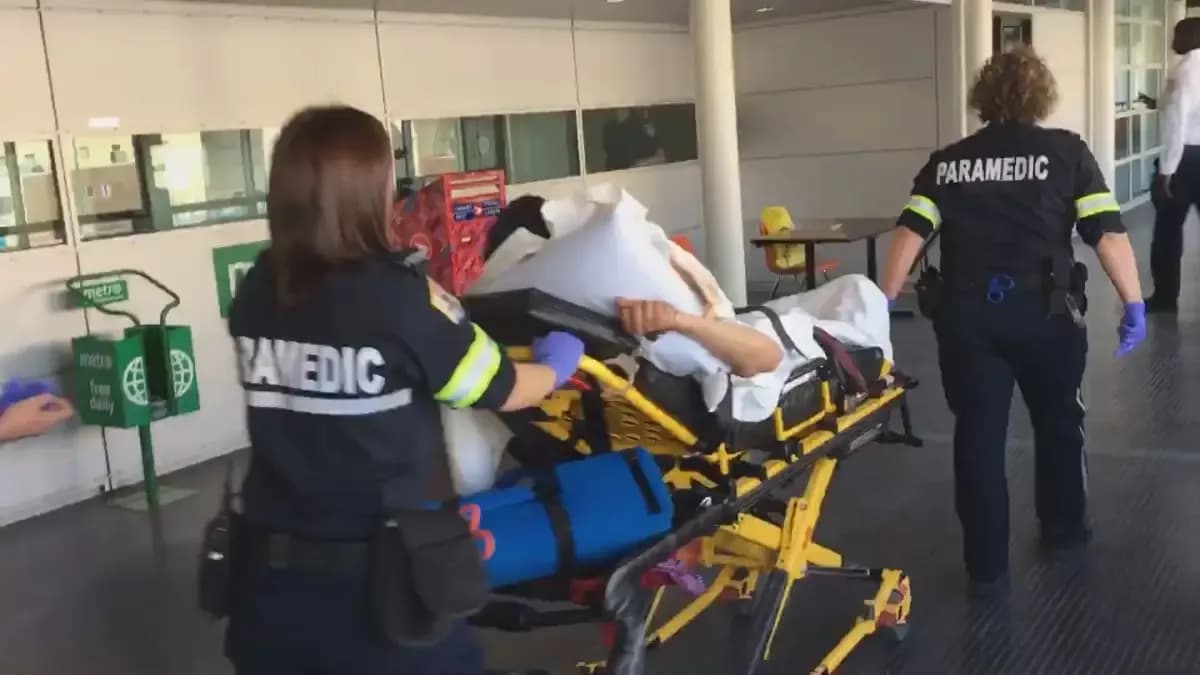
First responder stress refers to the chronic, often cumulative strain experienced by police officers, firefighters, paramedics, and emergency dispatchers, distinct from typical workplace stress because of repeated exposure to traumatic incidents, high stakes decision making, and irregular, demanding shift schedules.
Why This Deserves Specific Attention in St Cloud
St Cloud and the surrounding central Minnesota region are served by a range of police, fire, and emergency medical service providers, all professions with well documented elevated rates of occupational stress, PTSD, and burnout compared to the general working population. First responders in this region, as elsewhere, often face additional pressure from staffing shortages that increase call volume and reduce recovery time between shifts.
Common Sources of First Responder Stress
• Repeated exposure to traumatic scenes, injury, death, and crisis situations
• Irregular shift schedules that disrupt sleep and family routines
• High stakes decision making under time pressure, often with significant consequences
• Limited debriefing time between difficult calls, particularly during high volume shifts
• Cultural stigma within first responder professions around acknowledging emotional or psychological struggle
Signs of Cumulative Occupational Stress
• Emotional numbness or detachment, both on and off duty
• Increased irritability or a shortened temper with family members
• Difficulty sleeping, particularly following especially difficult calls or shifts
• Intrusive memories or heightened alertness that persist beyond the specific incident
• Increased alcohol use as an informal coping mechanism
First Responder Stress Versus PTSD
Occupational stress in first responder work is common and, to some degree, expected given the nature of the job. When exposure to traumatic incidents leads to persistent intrusive memories, avoidance behaviors, and significant changes in mood or functioning that continue well beyond a specific event, it may indicate post traumatic stress disorder, a more severe and clinically distinct condition that benefits from specialized trauma focused treatment.
Why Confidential, Field Aware Support Matters
First responders often have legitimate concerns about how seeking mental health support might affect their career, fitness for duty evaluations, or standing within their department. Working with a provider who understands both the clinical picture of occupational stress and the specific professional context of first responder work can make seeking support feel considerably safer.
What Actually Helps
• Trauma informed therapy, specifically suited to the cumulative and incident specific stress common in first responder work
• Cognitive behavioral therapy, addressing both general occupational stress and specific incident related distress
• Flexible scheduling, accommodating the irregular shift patterns common in emergency service work
• Confidential telehealth options, offering privacy for professionals concerned about visibility within a smaller community like St Cloud
Frequently Asked Questions
Will seeking therapy affect my job or fitness for duty status?
Confidentiality protections generally apply to mental health treatment the same way they do to any other healthcare service. It's reasonable to ask a provider directly about their specific confidentiality practices and any limits related to your particular department's policies.
Is it normal to feel fine most of the time but struggle after specific calls?
Yes. Many first responders function well overall but experience significant distress tied to specific incidents. This pattern is common and responds well to targeted, trauma informed treatment.
How is first responder stress different from general workplace stress?
First responder stress typically involves direct exposure to trauma, life and death decision making, and cumulative exposure over a career, which distinguishes it from the administrative or interpersonal stress more common in typical workplace settings.
Related Reading
• Anxiety in Men
• Workplace Stress in Minneapolis
If the weight of this work has started to follow you home more than it used to, that shift deserves confidential, field aware support. At Radiant Recovery and Counseling, our therapists across St Cloud and central Minnesota, in person and via telehealth, support first responders managing the cumulative toll of this profession.
Schedule a consultation: 612-429-1662 | info@rrcs.cc | https://www.radiantrecoveryandcounseling.com/book