Relationship Stress in Plymouth: When Partnership Strain Becomes Chronic
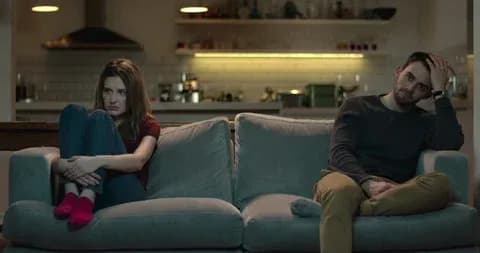
Relationship stress refers to the strain that develops within a romantic partnership due to unresolved conflict, mismatched expectations, or external pressures affecting the relationship, distinct from occasional disagreement because of its persistence and its tendency to affect daily interaction patterns between partners.
Why Relationship Stress Deserves Direct Attention in Plymouth
Plymouth and the western suburbs are home to many dual career households managing demanding jobs, children's schedules, and long commutes simultaneously. This combination of external pressures is a well documented contributor to relationship stress, since couples often have limited time and energy left for the relationship itself after managing everything else.
Common Sources of Relationship Stress
• External stressors, including work demands, financial pressure, and parenting responsibilities, that spill over into the relationship
• Communication breakdowns, where partners stop discussing difficult topics to avoid conflict, allowing tension to build silently
• Differing stress responses between partners, where one person seeks connection during stress and the other withdraws
• Unequal division of household or parenting labor, a frequently cited source of relationship tension
• Reduced quality time, as busy schedules leave little space for the relationship outside of logistics and coordination
Signs Relationship Stress Has Become Chronic
• Frequent, unresolved arguments about the same recurring topics
• Feeling more like coparents or coworkers than partners
• Increased irritability toward each other, particularly during high stress periods elsewhere in life
• Withdrawal or reduced emotional or physical intimacy
• A sense of relief when the other partner isn't around, rather than genuine enjoyment of shared time
Relationship Stress Versus Relationship Anxiety
Relationship stress is typically tied to external pressures and day to day friction within the partnership. Relationship anxiety, by contrast, often centers on fear of abandonment or insecurity within the relationship itself, sometimes rooted in earlier attachment experiences, and can persist even in a stable, low conflict relationship. The two can coexist and are addressed somewhat differently in therapy.
What Actually Helps
• Couples therapy, providing structured space to address recurring conflict patterns and communication breakdowns
• Individual therapy alongside couples work, particularly when one partner's stress response is significantly affecting the relationship
• Practical strategies for managing external stressors together, rather than allowing them to become sources of conflict between partners
• Communication skill building, focused on constructive conflict resolution rather than avoidance or escalation
Frequently Asked Questions
Is it normal for relationship stress to fluctuate with other life stressors, like work or finances?
Yes. External stress frequently spills over into relationships, and this is one of the most common patterns couples therapy addresses, helping partners manage that spillover more effectively.
How do we know if we need couples therapy versus individual therapy?
If the primary source of distress is the relationship dynamic itself, or if external stress is significantly affecting how partners treat each other, couples therapy is often the more direct path. Individual therapy can complement this when one partner's personal stress or mental health needs additional dedicated attention.
Can relationship stress be addressed even if only one partner is willing to attend therapy?
Yes. Individual therapy can still help address relationship stress by working on communication patterns, boundary setting, and personal stress management, even without both partners participating, though joint sessions often accelerate progress when both partners are willing.
Related Reading
• Relationship Anxiety
• Parenting Stress in Woodbury
If your relationship has started to feel like one more source of stress rather than a source of support, that pattern is worth addressing directly. At Radiant Recovery and Counseling, our therapists across Plymouth and the western Twin Cities suburbs, in person and via telehealth, offer both individual and couples therapy for relationship stress.
Schedule a consultation: 612-429-1662 | info@rrcs.cc | https://www.radiantrecoveryandcounseling.com/book