

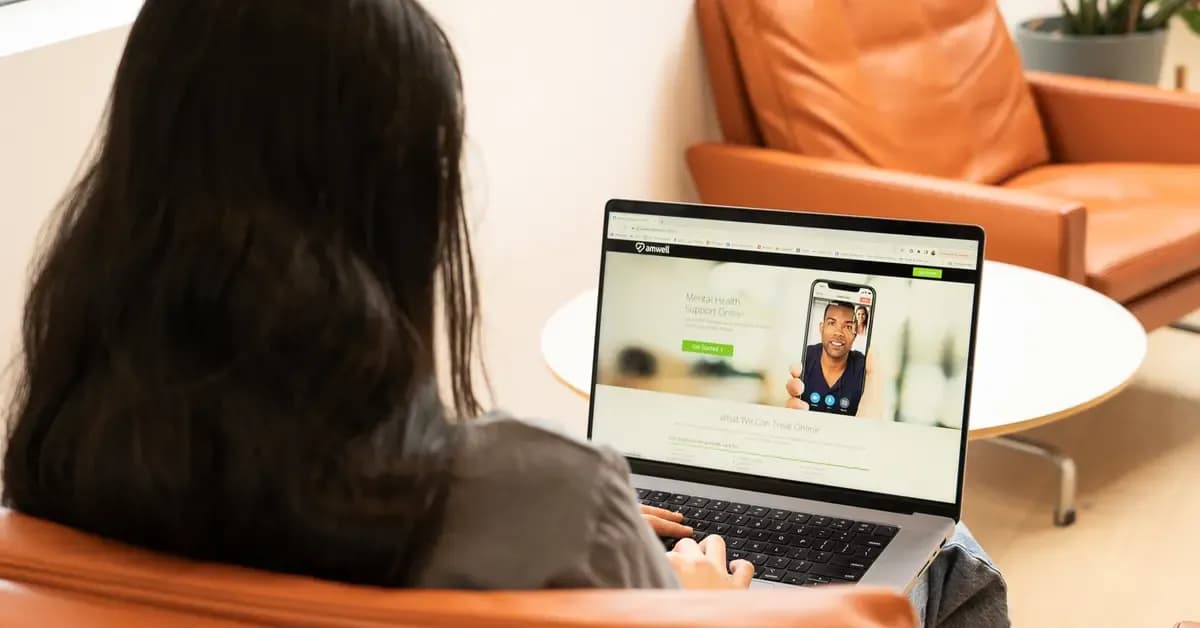
Telehealth therapy can make it easier to attend a session from home or another private place. But it can be difficult to speak freely when someone might walk into the room, your connection is unstable, or you are not sure what happens if the call drops. A little preparation can make a virtual appointment feel more manageable.
There is no perfect setup required. The goal is to find a space and plan that are private enough for the conversation and workable for your circumstances.
Choose a location where you can speak openly
If possible, choose a room with a door and let others know when you need uninterrupted time. Headphones can make it harder for someone nearby to hear the therapist, but they do not make a shared space fully private. Consider what can be seen or heard from outside the room.
If home is not private, ask the practice whether another location or appointment format may be possible. Some people use a private office or another safe, quiet space. Avoid joining from a place where you are driving or where you cannot speak safely and attentively.
Prepare your device and connection
Before the session, charge your device and test the audio and camera. If possible, use a secure internet connection and close unrelated apps or browser tabs. Place the camera at a comfortable height and choose a position where you can sit without needing to hold the device throughout the appointment.
You can keep a glass of water, tissues, or notes nearby. If you want to discuss something specific, write down a few words beforehand. You do not have to create a polished agenda; a short reminder can help if you feel nervous or lose your train of thought.
Agree on a backup plan
Ask the clinician what to do if the video call freezes or disconnects. Confirm whether they will call you, whether you should try to rejoin, and which phone number or platform to use. Do not assume the clinician will be able to see a message sent through a portal immediately.
It is also useful to confirm what to do if you need urgent help between sessions. Routine telehealth is not an emergency service. If you are in immediate danger or facing a medical emergency, contact local emergency services or an appropriate crisis resource.
Protect your privacy on shared devices
If other people use your device, sign out of accounts you do not need and consider whether notifications could display private messages during the session. Use the practice’s recommended platform and follow its instructions. Ask the provider how appointment links, messages, and records are handled if you have questions.
Do not record a session unless you have discussed it with the clinician and everyone involved has clearly agreed. If you are concerned about someone monitoring your device or internet use, raise that concern with a qualified professional from a safer device or location if possible.
Let the therapist know what is getting in the way
You can tell your therapist if you feel distracted, exposed, or uncomfortable on video. You might ask to adjust the camera, take a brief pause, or discuss whether a different format would work better. It is reasonable to bring up privacy concerns before sharing sensitive details.
Telehealth is not the right fit for every person or every situation. Ask the practice about available formats, technology requirements, privacy practices, and whether the clinician can provide care where you are physically located at the time of the appointment.
Explore telehealth options in Minnesota and Georgia
Radiant Recovery & Counseling provides care in Minnesota and Georgia. Review the practice’s
telehealth information, including Minnesota telehealth services and Georgia telehealth services, then contact the practice with questions about current eligibility, availability, and how to prepare.
The best virtual setup is one that supports an honest conversation and feels safe enough for you to participate. If the first arrangement is not working, say so. You and your clinician can discuss what to change.
Suggested internal links: telehealth overview; Minnesota and Georgia telehealth pages; first therapy session guide; contact/book.