Winter Stress in Duluth: Managing the Seasonal Toll
Winter stress refers to the elevated, seasonally recurring stress response tied to cold weather, hazardous driving conditions, and reduced daylight, distinct from seasonal affective disorder, which is a clinical depressive condition, though the two frequently overlap and can compound each other.
Why Duluth Faces a Distinct Winter Stress Burden
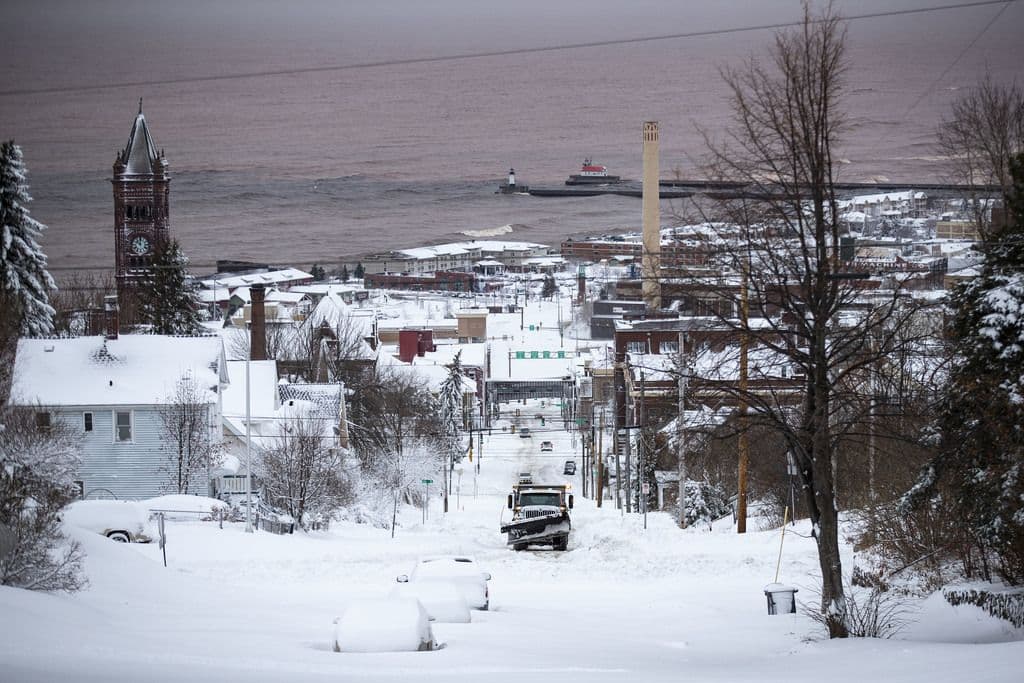
Duluth sits along Lake Superior, which contributes to some of the most significant lake effect snow and prolonged winter conditions in the state. Residents commonly navigate hazardous commutes, extended periods of below freezing temperatures, and a winter season that runs longer than in much of the rest of Minnesota, all of which contribute to a distinct seasonal stress pattern.
Common Contributors to Winter Stress
• Hazardous driving conditions, adding time, risk, and daily tension to routine commutes
• Physical strain of winter tasks, shoveling, scraping ice, navigating slippery surfaces
• Increased isolation, as cold and dark conditions reduce social activity and time outdoors
• Financial stress tied to heating costs during Duluth's long winter season
• Disrupted routines due to school or work closures during severe weather events
How Winter Stress Shows Up
• Increased tension or dread specifically tied to commuting or leaving the house
• Physical tension, particularly in the shoulders and neck, related to defensive winter driving
• Irritability or low mood that correlates closely with weather conditions
• A sense of relief specifically tied to staying home, paired with guilt about reduced activity
• Fatigue that seems disproportionate to actual physical exertion
Winter Stress Versus Seasonal Depression
Winter stress is generally tied to specific situational demands, driving conditions, physical tasks, disrupted routines, and tends to fluctuate with the weather itself. Seasonal affective disorder is a clinical depressive condition linked to reduced light exposure and its effect on brain chemistry, and tends to be more persistent regardless of daily weather conditions. Many people in Duluth experience elements of both, which is worth naming clearly when seeking support.
What Actually Helps
• Practical stress management strategies specific to winter demands, including planning buffer time for hazardous commutes
• Light therapy, particularly useful when seasonal light loss is a significant contributing factor
• Cognitive behavioral therapy, to address anticipatory dread tied to winter conditions and reduce its overall impact
• Structured social connection planning, to counter the isolating effects of a long, cold season
Frequently Asked Questions
Is winter stress a real, diagnosable condition?
Winter stress itself is not a formal diagnosis, but it is a recognized and common seasonal pattern. When it significantly affects mood and functioning, it may indicate seasonal affective disorder, which is a diagnosable and treatable condition.
Why does Duluth seem to experience this more than other parts of Minnesota?
Duluth's position along Lake Superior contributes to significant lake effect snow and an extended winter season compared to much of the rest of the state, increasing exposure to the conditions that drive winter stress.
Can light therapy help with winter stress even if I don't have full seasonal depression?
Yes. Many people benefit from light therapy even with subclinical seasonal symptoms, particularly when fatigue and low mood are part of the picture.
Related Reading
• Seasonal Depression Minnesota
• Driving Anxiety
If winter in Duluth has started to feel like something to simply endure every year, targeted support can make the season considerably more manageable. At Radiant Recovery and Counseling, our therapists across Duluth and northern Minnesota, in person and via telehealth, help clients build a sustainable relationship with the region's long winters.
Schedule a consultation: 612-429-1662 | info@rrcs.cc | https://www.radiantrecoveryandcounseling.com/book